Shrink Film Price per Kg: What Moves the Number and Why
Shrink film is sold by the kilo and the price per kilo is not fixed. Thickness, width, material and print each move it. How to order and compare two quotes.
By Milad Yadollahi, Production line specialist
Shrink film is priced per kilogram, and the base of that price is the LDPE granule price on the same day. On top of it, the roll's thickness and width, the film material, and whether it is printed move the final number. So two quotes are only comparable when all four match on both.
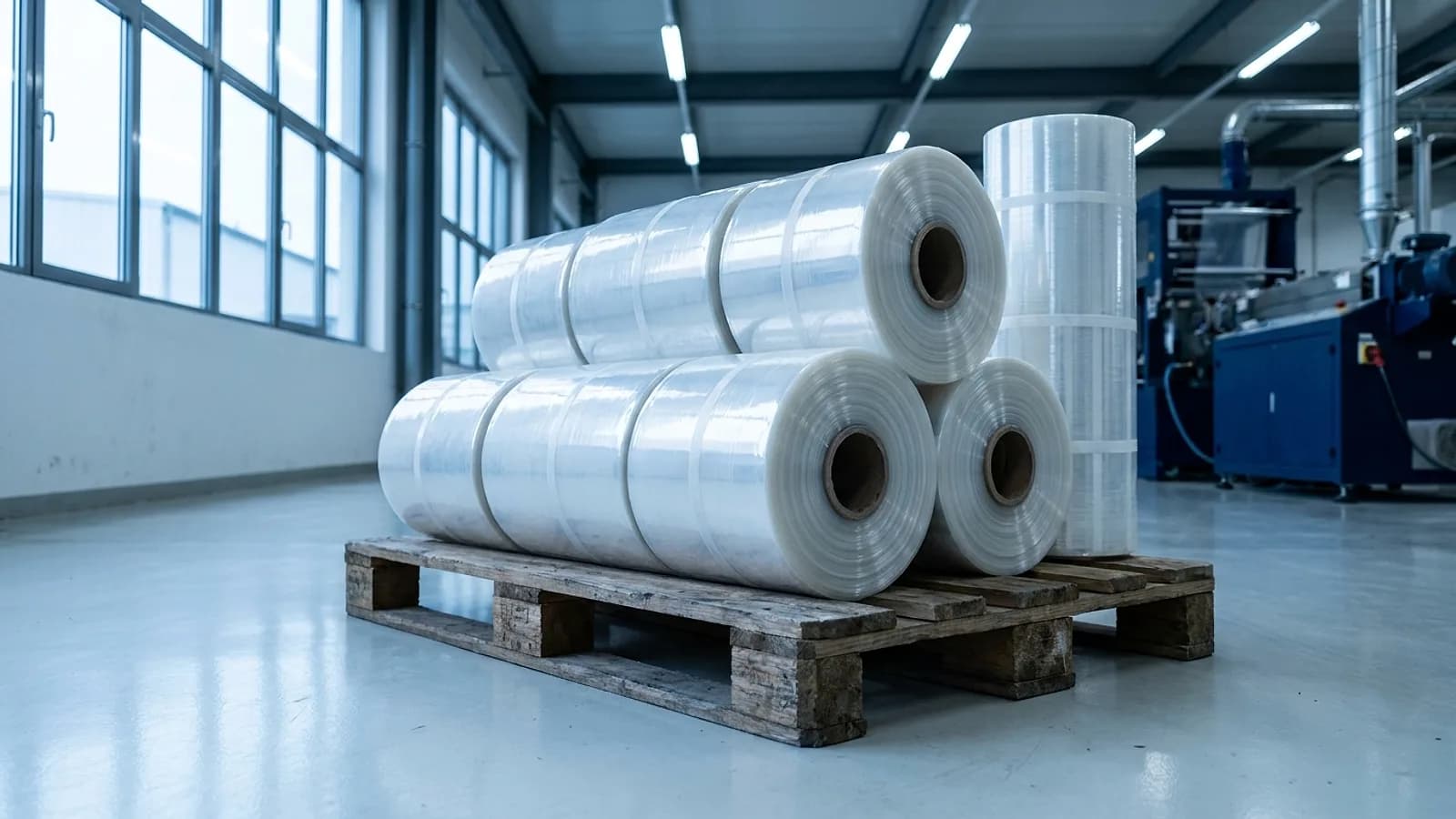
Buying shrink film has one awkward feature: the price is per kilo, but what you consume is metres. Two suppliers can quote nearly the same per-kilo number and your cost per package can come out completely different. This guide explains where the per-kilo figure comes from, what pushes it up and down, and exactly what to send with an enquiry so the price you get is the price you pay.
Today's price for every product, including nylon shrink film, is published on this site with the date of each change kept on record. This guide does not repeat the figure, because the figure changes and the price page is always more current.
Four things that move the per-kilo price
| Factor | Effect | Why |
|---|---|---|
| Granule price | The base | Nylon shrink film is made from LDPE granule, and granule is priced daily, not seasonally. |
| Thickness (microns) | Directly on consumption | A thicker film weighs more for the same length, so each kilo gives you fewer metres. |
| Roll width | Indirect | A width that does not match your load becomes waste, and you bought the waste by the kilo too. |
| Film material | Up or down | LDPE is the most economical; POF and the dry and soft grades are priced separately. |
| Once, plus per kilo | A cylinder is made once per colour and its cost is one-off; the printing itself sits on the per-kilo price. |
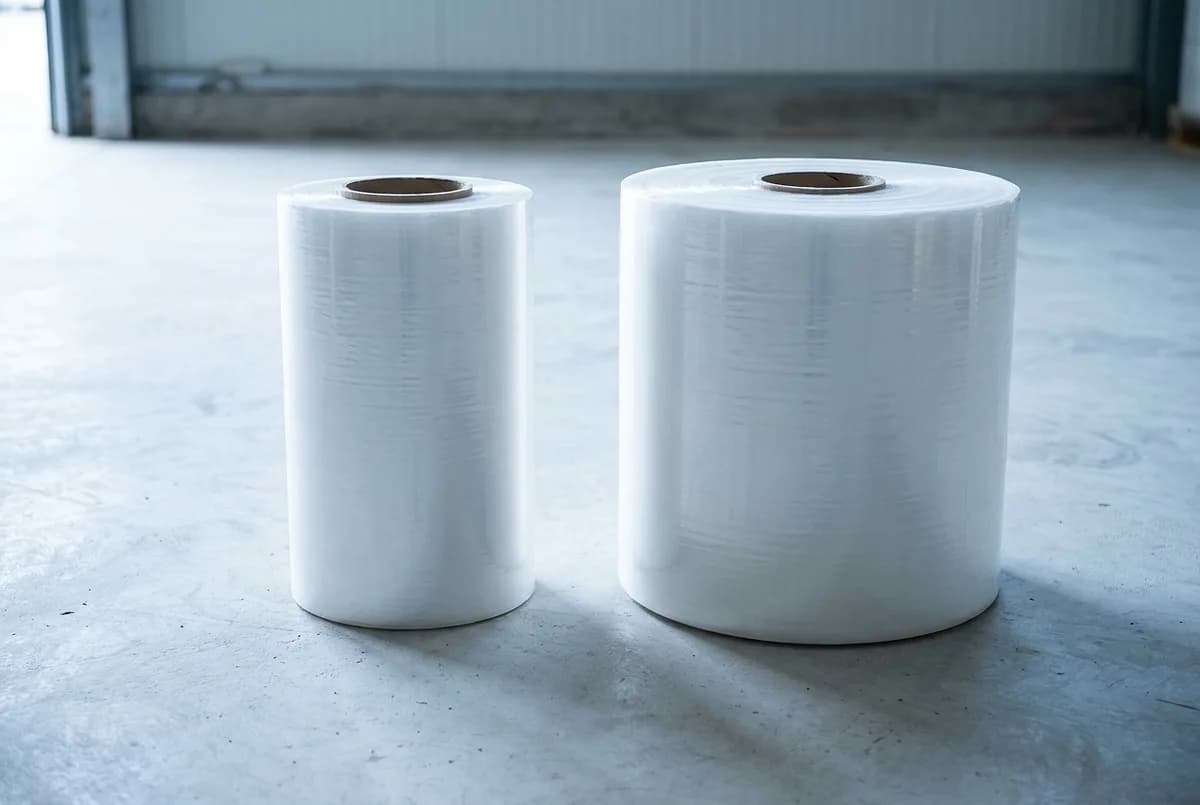
The practical result of this table is one sentence: the per-kilo number means nothing on its own. A lower per-kilo price at a higher thickness can cost you more, because that same kilo wraps fewer metres. What you should compare is the cost per package, not the cost per kilo.
How to compare two quotes properly
- 1Get the thickness of both in microns, not in words like «thick» and «standard».
- 2Get the roll width of both in centimetres and check it against your load.
- 3Ask for the material: LDPE, POF, dry or soft.
- 4Ask whether the price is with or without print, and whether the cylinder cost is separate.
- 5Then work out how many metres each kilo gives you. Only from here does the comparison mean anything.
What to send with an enquiry
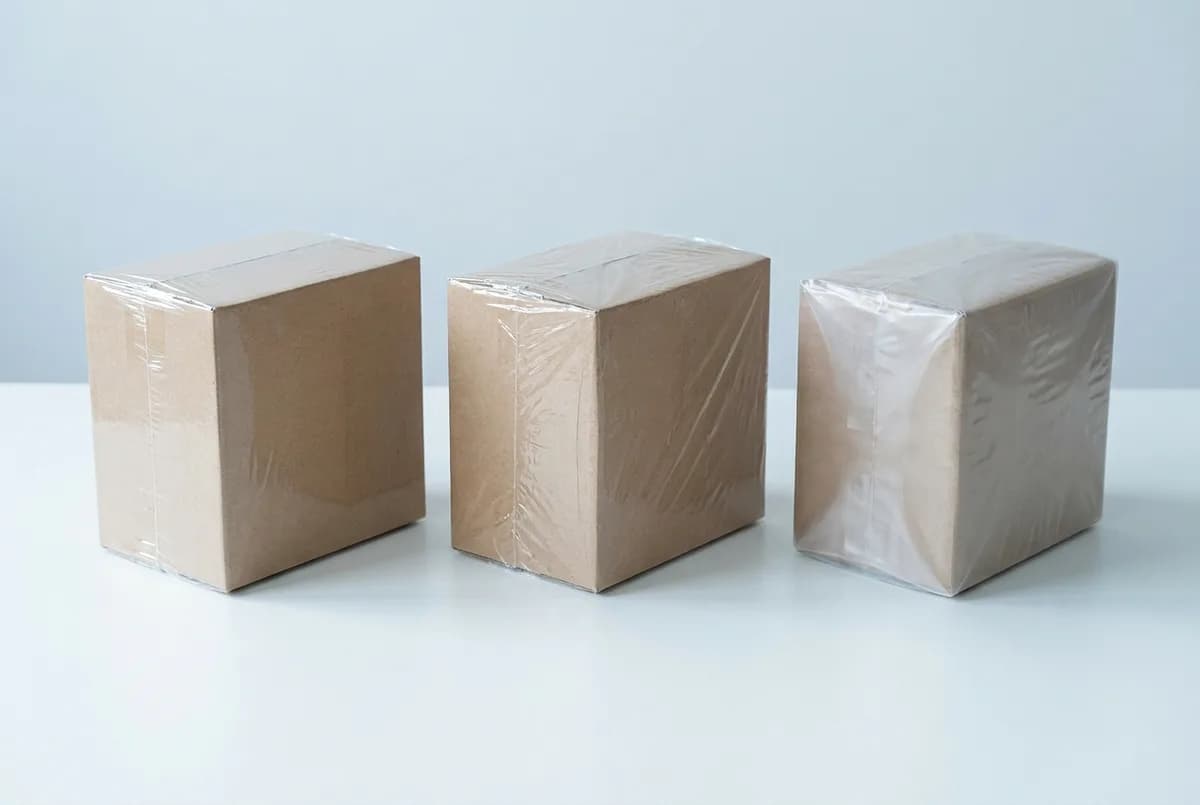
Most enquiries that do not get a precise answer are missing one thing: the machine. Shrink film has to shrink in your heat tunnel, and a film not made for your machine's temperature either does not shrink fully or burns. These five are enough:
- What you are packing and in what dimensions
- The width and thickness you want, if you already know them
- The working temperature of the heat tunnel and the machine model
- The order quantity, in kilos
- Printed or plain
Send these five and you get the per-kilo price for that order and the delivery time.
Get a shrink film quoteFactory or middleman?
The real difference is not the price, it is who can change the film for you. If the width or thickness you want is not in stock, a middleman can only sell you the nearest thing on the shelf; a factory can slit that width and run that thickness. When your load is not a standard size, that one difference decides your entire waste cost.
Navid makes shrink film on its own line and sells it by the kilo, direct. We do not make shrink-wrap machines or heat tunnels; if you have a machine, send its specification and working temperature and the film is matched to those settings.
Full specifications, sizes and today's price for nylon shrink film are on the product page.
See nylon shrink filmFrequently asked questions
What is the price of shrink film per kg?
Today's price is published on this site's price page with the date of every change, because granule is priced daily and any figure written in an article is stale within a month. For your own order, send the thickness, width and quantity and you get that order's price.
Why is shrink film priced per kilo and not per metre?
Because film is made and sold by weight, while your consumption is by length. The metres in each kilo depend on thickness and width, so the same kilo at two thicknesses gives two completely different lengths.
What is the difference between a shrink film manufacturer and a seller?
A manufacturer can produce and slit the width and thickness for your order; a seller sells what is in stock. If your load is a standard size the difference is small; if it is not, that difference decides your waste cost.
What is shrink film?
A packaging film that shrinks under heat and closes tightly around the goods, gathering several items into one pack or sealing one item against dust and handling. It is made from LDPE, POF or PVC and is sold by the kilo, in the width and thickness the order calls for.