Printing on cellophane and nylon — up to 8 colours
Printing up to 8 colours by flexo and rotogravure on cellophane, nylon and shrink film. Film and print under one roof, and a printed sample before the run.
Navid Selfon prints up to 8 colours on cellophane, nylon, shrink film and carrier bags. The film is produced in the same hall where it is printed: colour, thickness and sealing are set together, and if something drifts it is corrected on the same line rather than between two contractors.
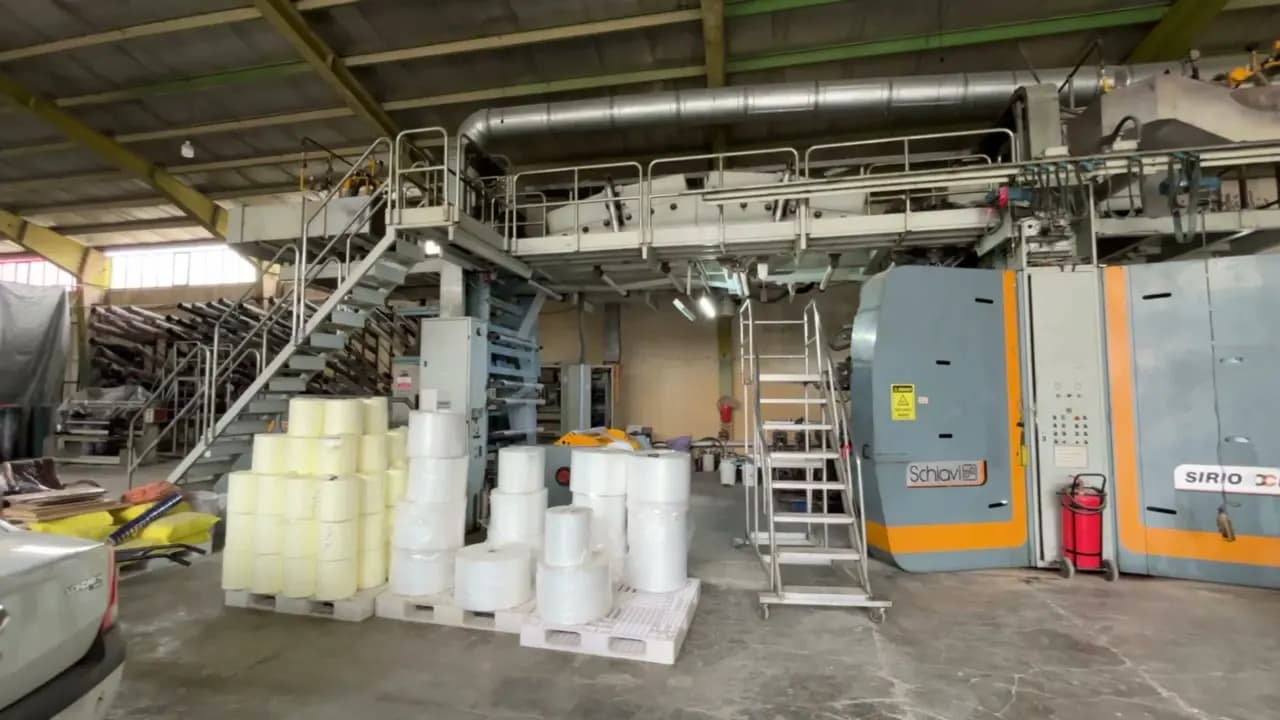
From our print hall and sample rack
Photos and video from the factory's own print hall and sample rack. The hall's main press is a Schiavi SIRIO central-impression flexo; the factory also runs stack flexo and rotogravure. The jobs shown are real customer orders, published with the customers' permission.
Photos and film: Milad Yadollahi. Terms for using the photos and film
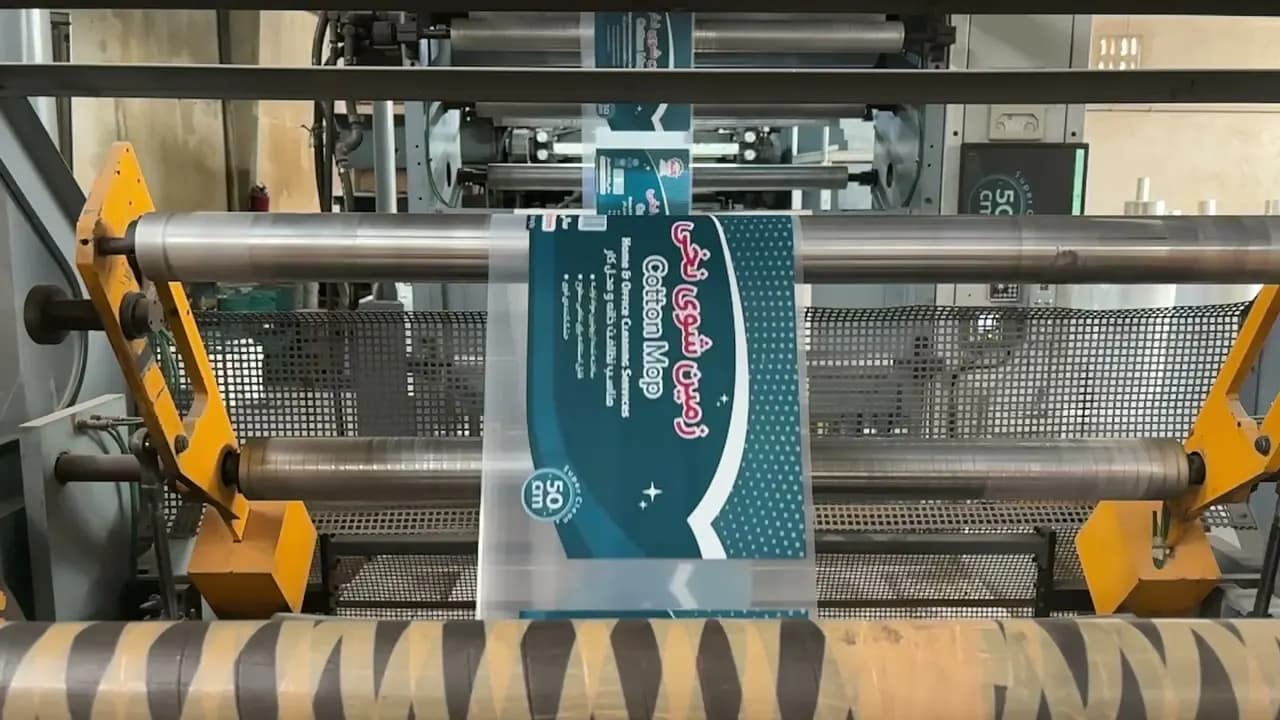
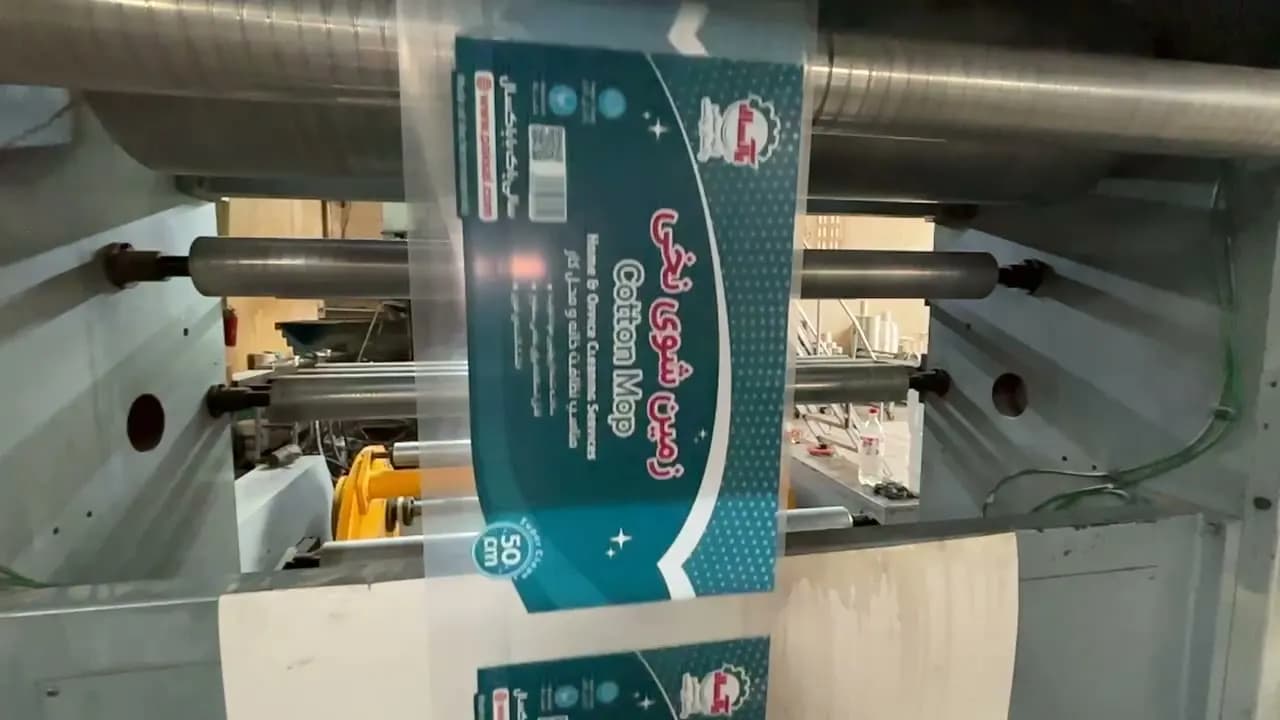
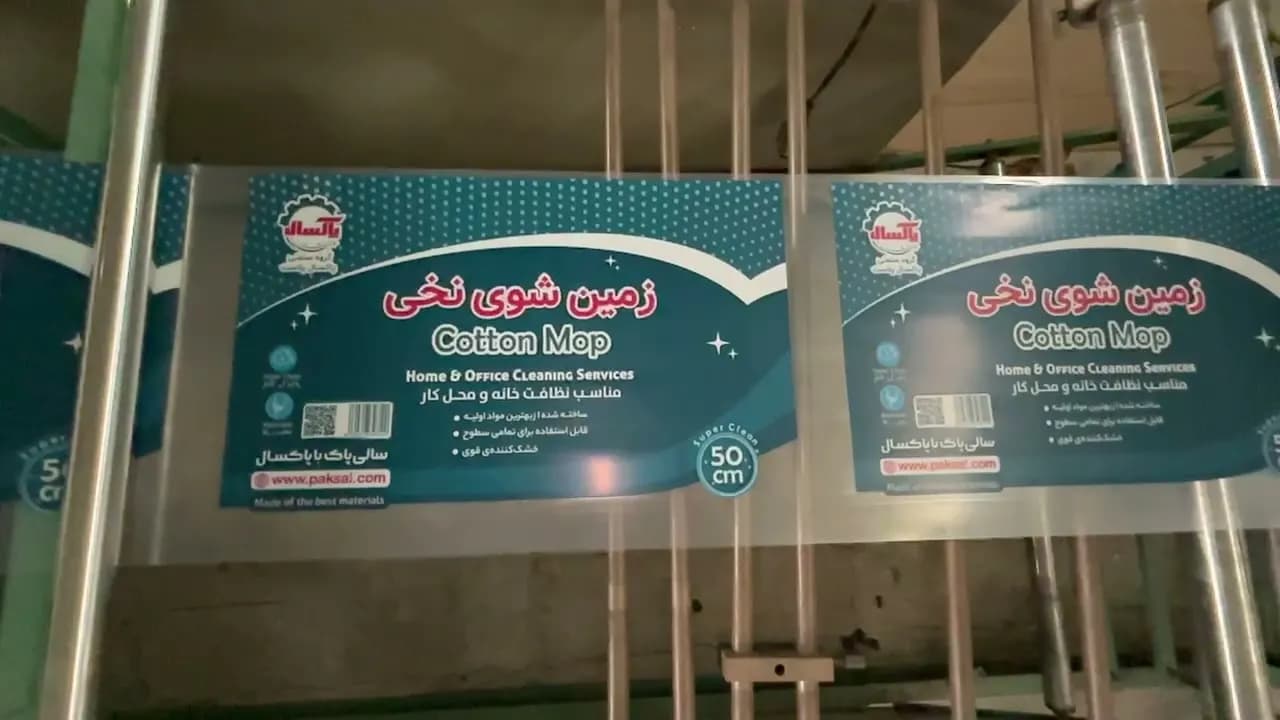
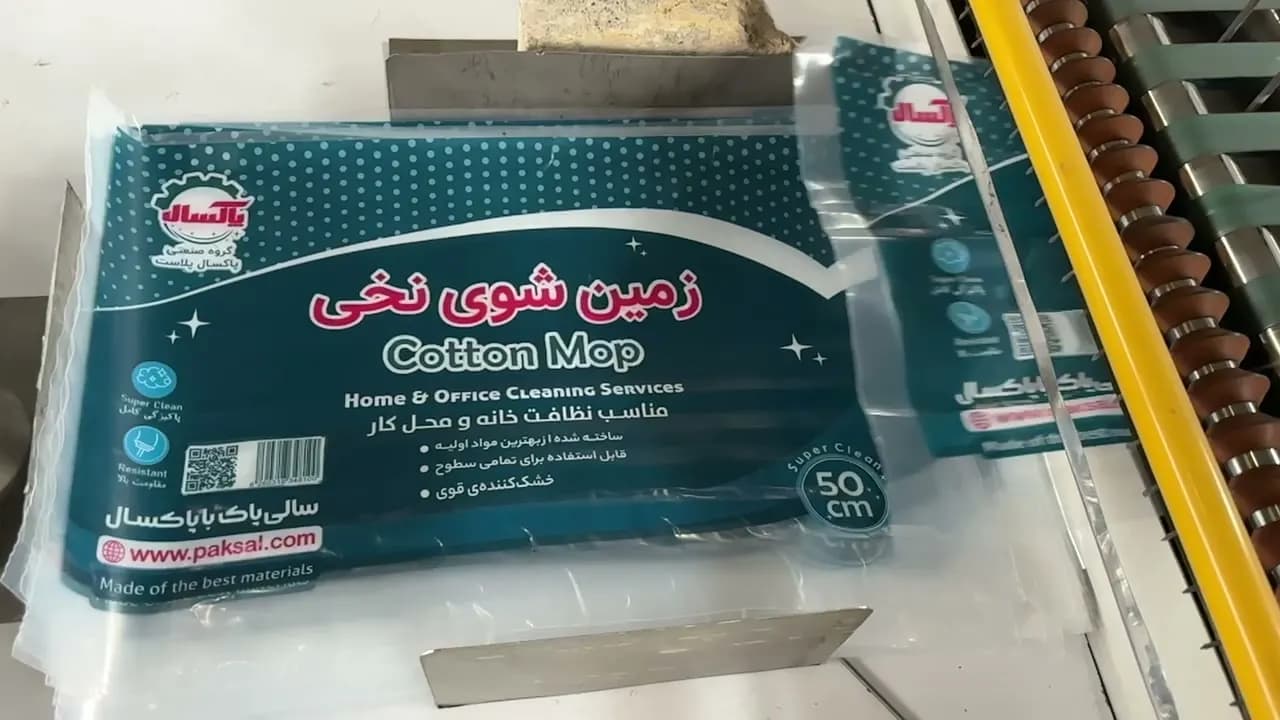
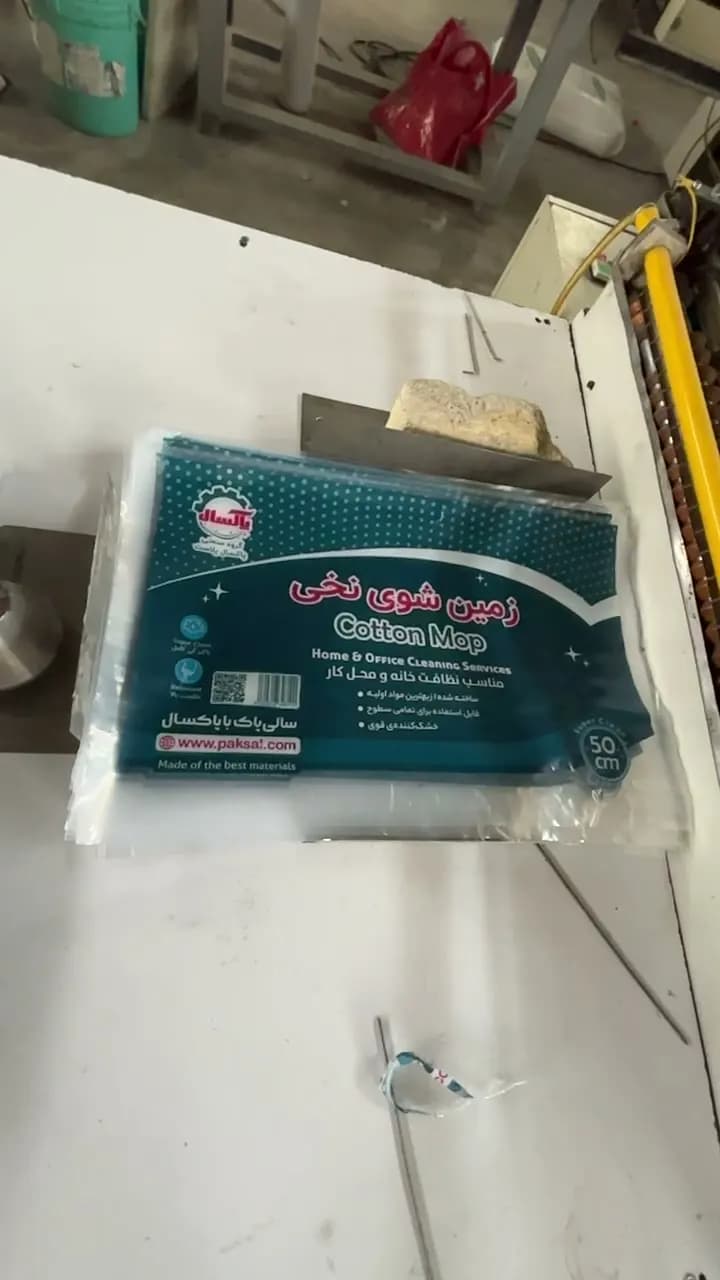
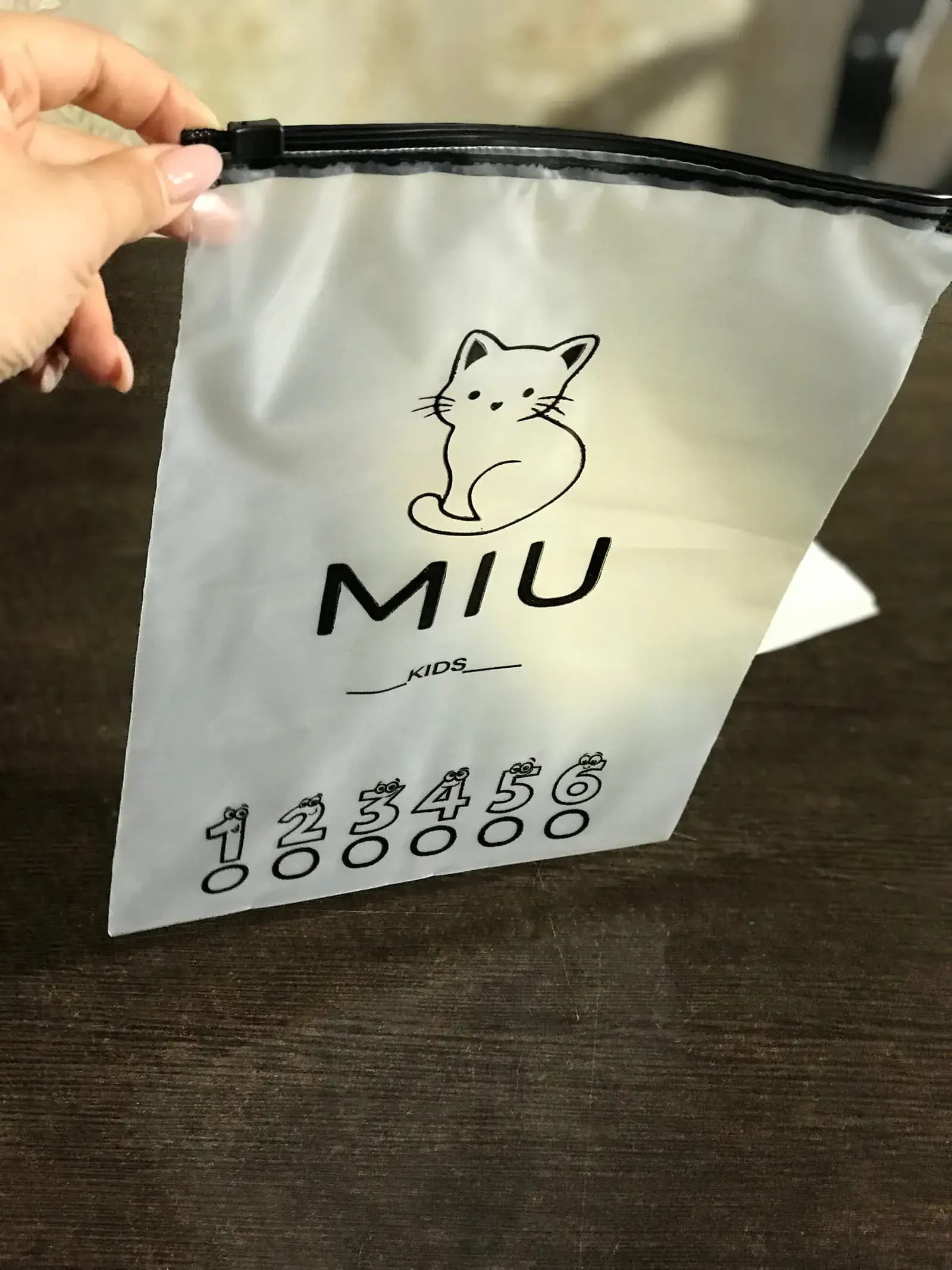
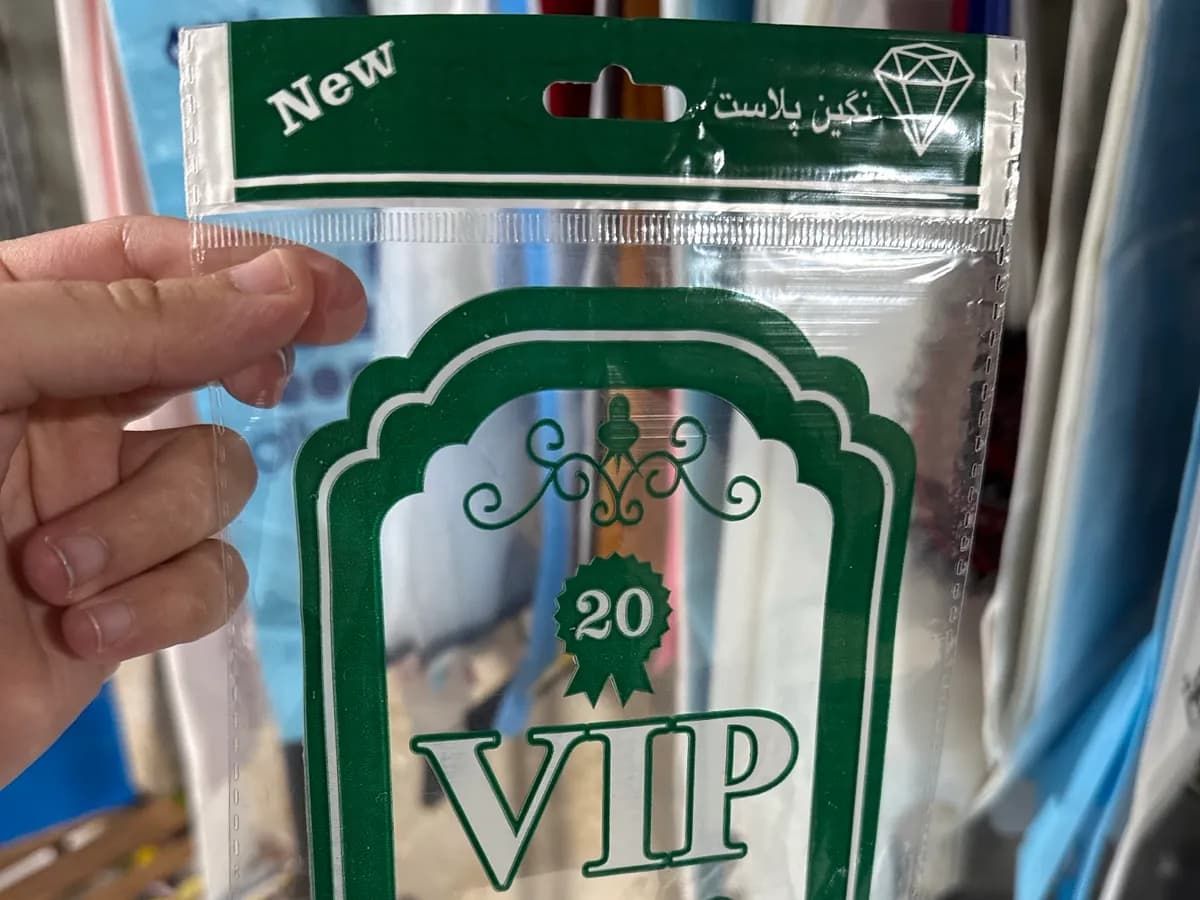
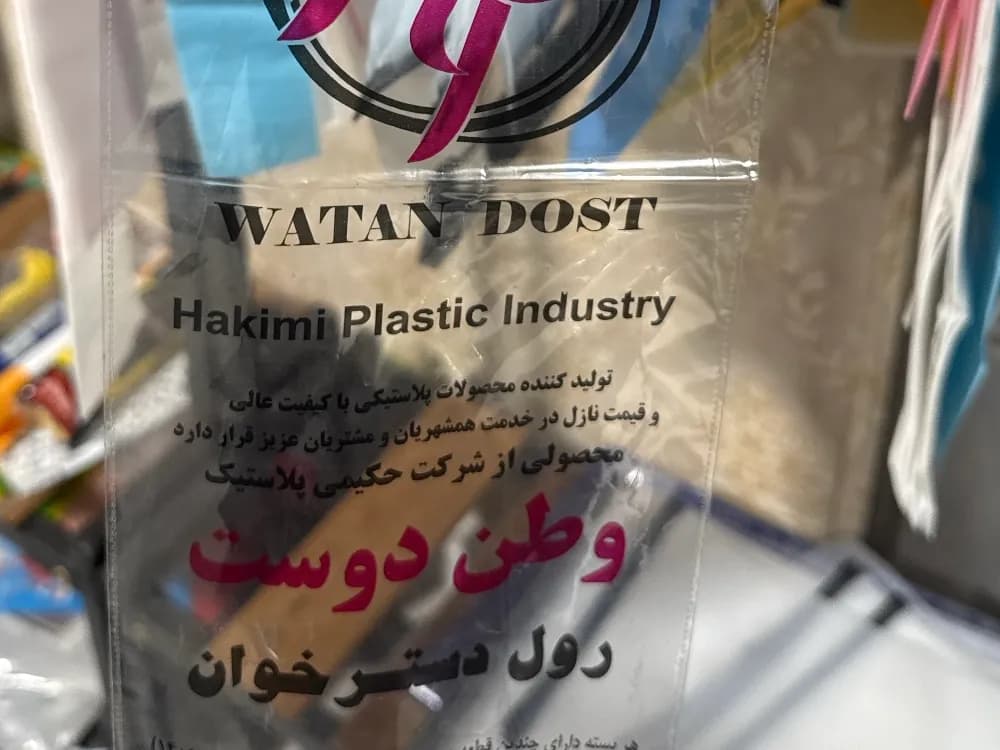
Most buyers purchase film from one factory and take it elsewhere for printing. The result is that when colours drift out of register or a seal opens, nobody accepts responsibility: the film maker blames the printer and the printer blames the film. At Navid Selfon both stages happen under one roof.
What we print
- Packaging cellophane and OPP cellophane bags — for products that must be seen on the shelf.
- Printed nylon in rolls and bags — industrial packing, food, nuts and dried fruit.
- Handled retail carrier bags carrying your brand.
- Printed shrink film for multipacks.
- Printed rolls for automatic packing machines.
- Autoclave film, for packs that go through a sterilisation cycle and must carry the name and specification on the film itself.
- Bubble wrap, on orders above 500 kg.
Printing specification
| Item | Detail |
|---|---|
| Print method | Flexo (stack and central-impression, from plates) and rotogravure; screen printing on LDPE (nylon) bags, for runs above 5,000 pieces |
| Colours | Up to 8 |
| Producible width | Custom, to your requirement |
| Thickness | Custom, based on content weight and packing method |
| Colour model | CMYK or your brand's Pantone |
| File required | CorelDRAW (.cdr) with fonts outlined |
| Sample | Sent before the bulk run |
| Presses | Schiavi (Italy) central-impression flexo with eight stations, stack flexo and rotogravure |
| Lamination | In-house laminating machine |
What is the minimum print run?
The minimum follows the colour count, because every colour needs its own cylinder and its own set-up pass, and set-up waste grows with the number of colours. That is why a one-colour job starts from a smaller run. The table below is for flexo; rotogravure runs start at one tonne. Printed PVC shrink film starts at 100 to 150 kg for one colour and 150 kg for two or more, and several products, among them zip-lock pouches, metallised OPP bags and LDPE shrink film, start at 100 kg for one colour and 150 kg for two or more. OPP cellophane bags and adhesive OPP bags start at 100 to 150 kg for one colour.
| Colours | Minimum run |
|---|---|
| 1 colour | 150 kg |
| 2 to 4 colours | 300 to 500 kg |
| 5 colours or more | 1 tonne |
Why film and print belong together
Colour registration depends on gauge: thin film elongates under cylinder pressure and the colours stop sitting on top of each other. Because we extrude the web ourselves, we set the thickness to your artwork instead of working with whatever arrived. The film is corona-treated as it is made, so the ink keys to it. And if the first run comes out a shade darker than the sample, it is corrected on that line — when film and print are two separate businesses, every correction means another haulage run and another week.
How an order runs
- 1You send the specification: bag dimensions, thickness or content weight, colour count, run size.
- 2You send the artwork as a CorelDRAW (.cdr) file; if the design is not ready, our team advises, and if you only have a logo we prepare the print file from it free of charge.
- 3We quote price and lead time, including the one-time plate (cliché) cost.
- 4Plates are made and a printed sample is sent for approval; this takes a week.
- 5After sample approval, production and dispatch take one week to 10 working days depending on the material, and the colour count does not change that; a rush job, ahead of the queue, is ready in about three days at extra cost. Freight is quoted separately for each shipment and paid by the buyer.
Plate cost is paid once and is not repeated for later orders of the same design within the year the plates are kept, so the price per pack falls from the second run onward.
What to prepare before you order, from the CorelDRAW (.cdr) file and colour count to finished bag dimensions, the safe zone around the design and sample approval, is set out point by point in Before you order printed film: seven things to prepare.
Send the artwork and specification and we will quote price and lead time precisely.
Request a printing quoteHow many colours can you print?
Up to 8 separate colours; combined, they give a design the look of up to ten colours. For roll printing the factory has two methods: flexo, on stack and central-impression presses printing from plates, and rotogravure. Screen (silk-screen) printing is also done on LDPE (nylon) bags, for runs above 5,000 pieces. In most designs a lower colour count gives a cleaner result and a lower cost.
What is the minimum print run?
The minimum follows the colour count, as in the table on this page: 1 colour from 150 kg, 2 to 4 colours from 300 to 500 kg and 5 or more colours from 1 tonne. That table is for flexo; rotogravure starts at 1 tonne, and some products start lower, as listed on this page. A printed order takes a week to 10 working days from sample approval, depending on the material; plates and the sample take a week before that. Send dimensions, thickness and colour count and we will give you the figure for your order.
Is the plate cost charged every time?
No. A plate is made once per colour and is not charged again while the design is unchanged. Plates are kept for one year.
Do you send a printed sample before the bulk run?
Yes. It is the only stage where a colour or position can be changed without paying twice.