Confectionery and chocolate packaging: film and print
On a confectionery shelf the pack sells first. Choosing cellophane, the right thickness for print, and custom printing up to 8 colours from the factory.
By Milad Yadollahi, Production line specialist
Confectionery and chocolate are usually packed in clear cellophane at 30-40 microns: high clarity and gloss so the product shows, a smooth surface for clean printing, and a reliable seal. Brands add custom printing up to 8 colours on the same film we produce.
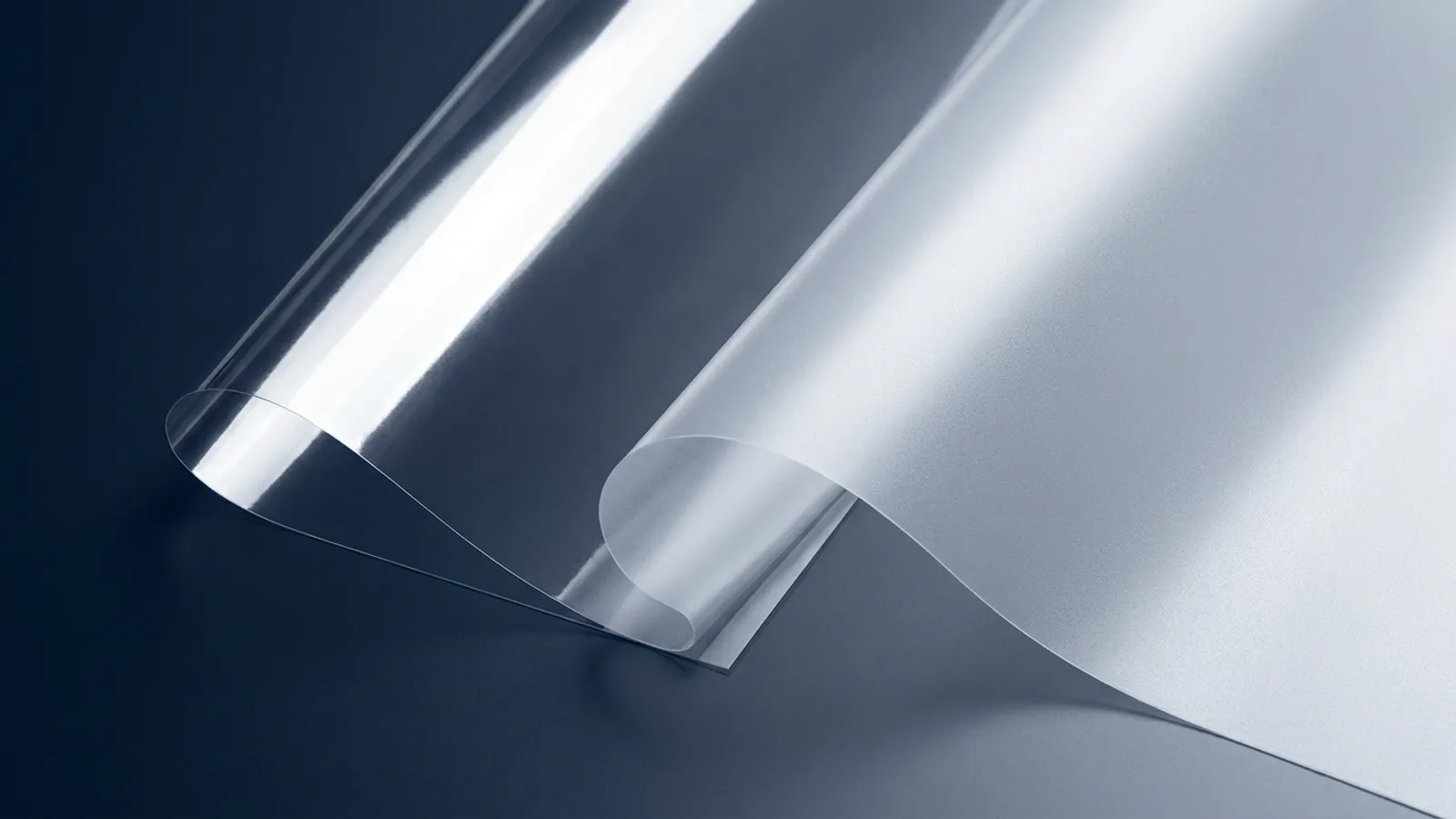
Nobody buys confectionery from a spec sheet — they buy it on looks. The pack here is not just protection, it is the salesperson. And because this shelf is fiercely competitive, the difference between an ordinary pack and a good one shows up directly in sales.
Why cellophane rather than polyethylene?
Cellophane (polypropylene film) has higher clarity and gloss and a smoother surface. Confectionery needs exactly those three things: the product must show, the pack must shine, and the print must land cleanly. Polyethylene is weaker on all three and looks dull on this shelf.
Thickness
| Use | Usual thickness | Why |
|---|---|---|
| Single sweets and chocolate packs | 30-40 micron | Smoother surface, cleaner print, better wrap |
| Confectionery box with a cellophane wrap | 30-35 micron | Clarity first, the load is light |
| Weighed and wholesale packs | 40-50 micron | The seal carries more weight |
One exception: if the pack carries multi-colour print, do not go below 30 microns. Very thin film elongates under cylinder pressure and the colours drift out of register, doubling and dirtying the edges of the artwork.
Artwork in this sector is usually rich and multi-colour. Three things decide the result: give us the Pantone code for your brand colour (automatic RGB-to-CMYK conversion shifts it), leave at least 5 mm clear on every edge, and approve the printed sample before the bulk run. Because we extrude and print in the same hall, the gauge is set to your artwork and registration is corrected on that line.
Send the product type, pack dimensions and run size and we will propose material, thickness and print price.
Request a quote and a sampleWhat thickness suits confectionery packaging?
Usually 30 to 40 microns. With multi-colour print do not go below 30 microns, or the colours drift out of register.
Cellophane or polyethylene for sweets?
Cellophane — higher clarity, gloss and surface smoothness, all three decisive on a confectionery shelf.
Do you print multi-colour artwork?
Yes, up to eight colours on the same film produced at our factory, with a printed sample before the bulk run.